

GLOBAL EQUITY AND SUSTAINABILITY INITIATIVE (GESI)
our Vision:
A world where vulnerable and street children, women, and communities thrive through... View more
Organizer:
- Organized by
-
-
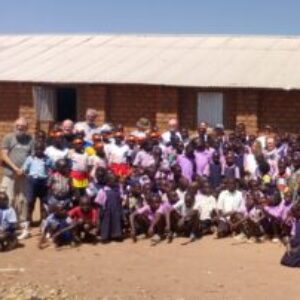
Children with Disabilities in Northern Uganda
-
Children with Disabilities in Northern Uganda
When we talk about children with disabilities in Northern Uganda, it’s important to understand that these children face a unique set of challenges. Their experiences are shaped not only by physical, sensory, or cognitive impairments but also by social, cultural, and economic barriers that make daily life more difficult.
First, access to education is one of the biggest challenges. Many schools in Northern Uganda are not equipped to accommodate children with special needs. Classrooms often lack ramps, accessible toilets, or teaching materials designed for children with visual or hearing impairments. Teachers are rarely trained in inclusive education, which means these children are often left out of lessons or struggle without support. As a result, children with disabilities frequently have lower school attendance and completion rates compared to their peers.
Healthcare access is another critical concern. Children with disabilities often require specialized medical attention, rehabilitation, or assistive devices like wheelchairs, hearing aids, or braces. Unfortunately, these services are scarce in rural areas, and families may not afford private care. This leaves many children without the care they need to live healthy, independent lives.
Cultural attitudes also play a significant role. In some communities, disabilities are misunderstood, and children with disabilities may face stigma or even exclusion. Families may hide their children or prevent them from participating fully in community life due to fear of judgment. This social isolation can affect a child’s self-esteem, mental health, and opportunities for growth.
Despite these challenges, it’s inspiring to see how resilient children with disabilities can be. With the right support like inclusive schools, community programs, and advocacy these children can thrive. Organizations in Northern Uganda are working to provide rehabilitation services, raise awareness about disability rights, and create inclusive spaces where children can play, learn, and interact safely with others.
It’s also important to recognize that families play a huge role. Parents and caregivers often go to great lengths to support their children, advocating for education, healthcare, and opportunities to participate in community activities. Supporting these families with training, financial assistance, and counseling can make a significant difference.
In conclusion, children with disabilities in Northern Uganda face multiple barriers from inaccessible schools and healthcare services to social stigma but with inclusive policies, community awareness, and family support, these barriers can be reduced. Addressing these challenges is not just a matter of charity; it’s a question of rights, justice, and recognizing that every child, regardless of ability, deserves the chance to thrive.
Sorry, there were no replies found.
Log in to reply.